
Who is most at risk
This condition commonly affects runners and active individuals, particularly those who suddenly increase training intensity or volume. It is also seen in “weekend warriors” with inconsistent activity levels. Other risk factors include reduced calf strength or flexibility, poor biomechanics, inappropriate footwear, higher body weight, and increasing age (typically 30–60 years). Certain medical conditions and medications (e.g. inflammatory diseases or fluoroquinolone antibiotics) may also increase risk.
What it feels like
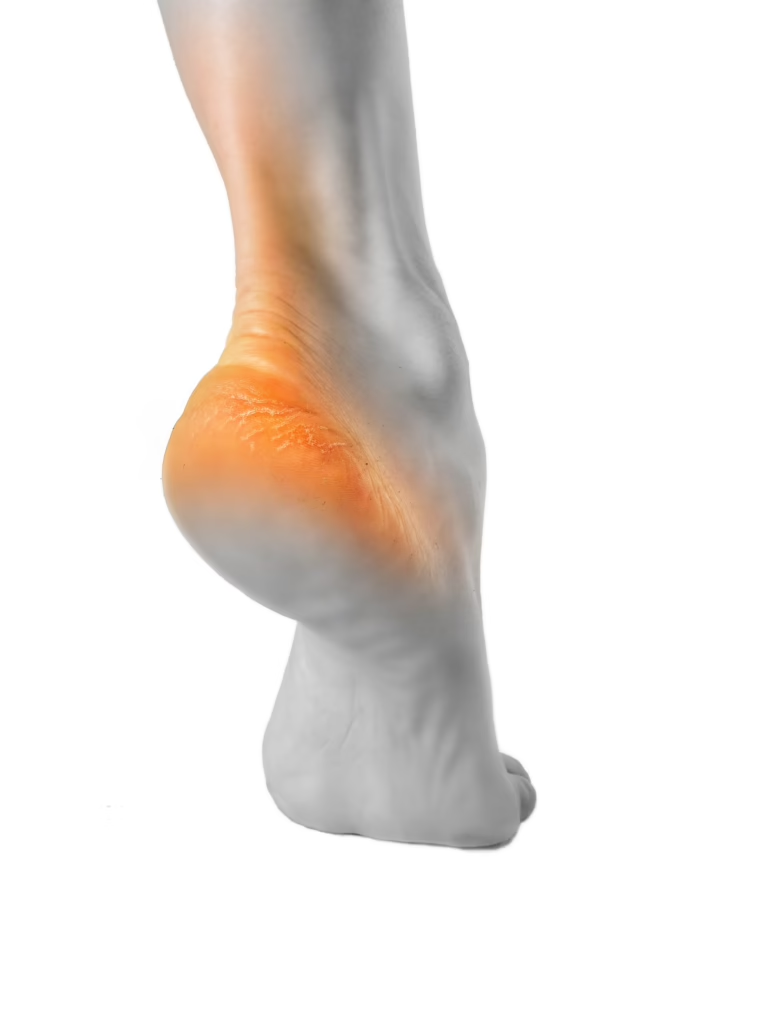
Patients usually report a gradual onset of pain and stiffness at the back of the ankle. Symptoms are often worse with the first steps in the morning or after rest, easing with gentle movement but returning with prolonged activity. Mid-portion tendinopathy presents as localised tenderness and thickening of the tendon, while insertional tendinopathy causes pain at the heel, sometimes aggravated by shoes or direct pressure. Pain may limit walking, running, or stair use.
Assessment and diagnosis
Assessment includes a detailed history and physical examination. We look for localised tenderness, tendon thickening, reduced calf strength, and pain during activities such as heel raises. Movement, flexibility, and load tolerance are assessed to guide rehabilitation.
Diagnostic ultrasound is used to confirm the diagnosis. It can identify tendon thickening, degeneration, small tears, and changes in blood flow, providing a clear and evidence-based assessment to guide treatment.
Treatment options
First-line treatment is progressive exercise therapy, particularly eccentric or heavy slow resistance programmes, which have strong evidence for improving pain and function.
Adjunct therapies may include:
- Shockwave therapy to reduce pain and stimulate healing, especially in chronic cases
- Dry needling to help modulate pain and encourage tissue response
If symptoms persist, injection therapies may be considered:
- Platelet-rich plasma (PRP) to support tendon healing
- Hyaluronic acid injections to reduce pain and improve tendon movement
Treatment is tailored to the individual. Early diagnosis and a structured rehabilitation programme are key to achieving the best outcomes.