
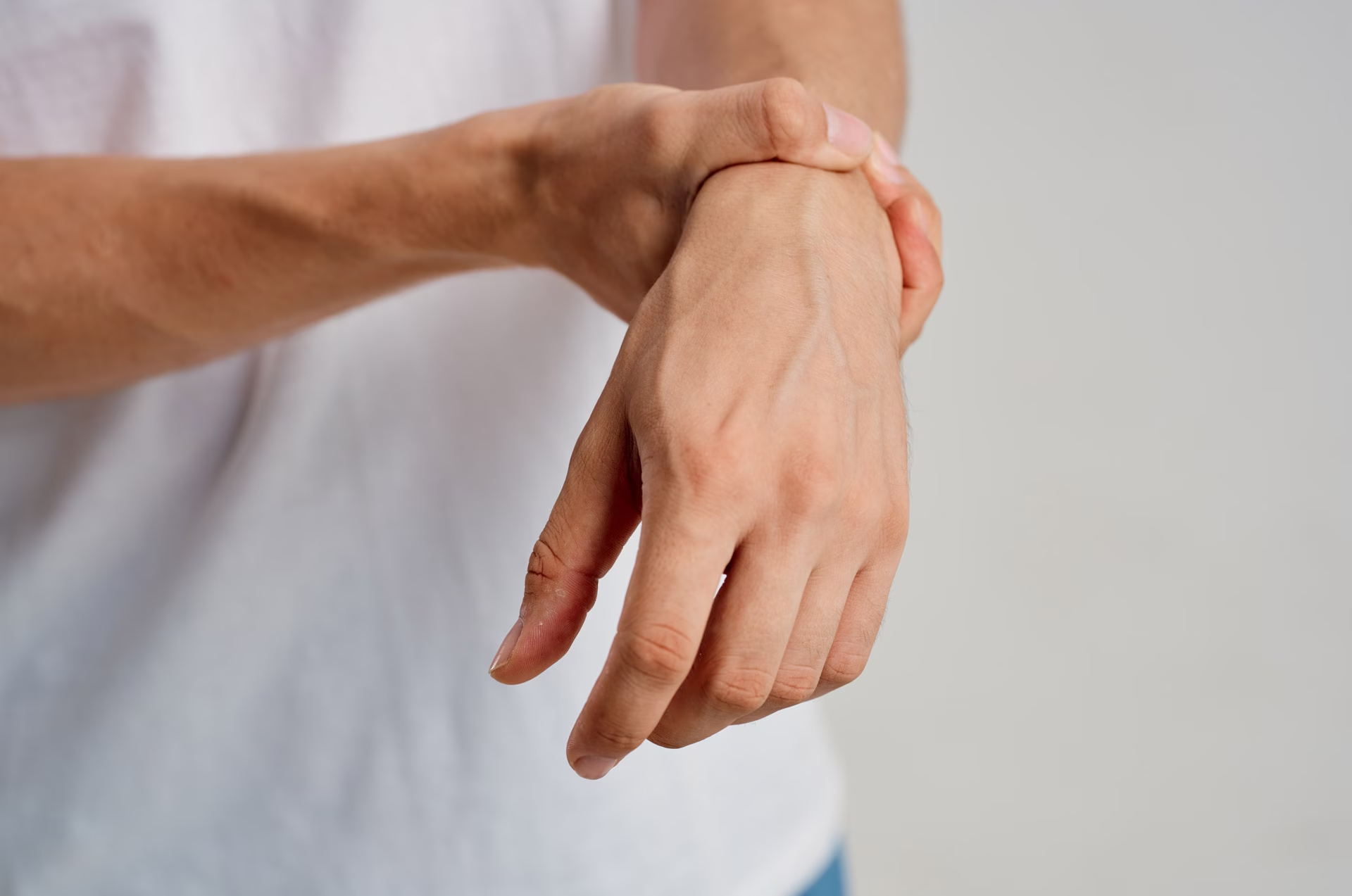

One of the most frequently encountered conditions is thumb osteoarthritis (first carpometacarpal joint osteoarthritis), which typically presents with pain and stiffness at the base of the thumb, particularly during gripping or pinching tasks. Patients may also report swelling, reduced strength, and progressive loss of hand function. However, physiotherapists commonly manage a broad spectrum of wrist and hand pathologies, including:
- Trigger finger / trigger thumb (stenosing tenosynovitis)
- Dupuytren’s contracture
- Carpal tunnel syndrome
- Triangular fibrocartilage complex injury (TFCC injury)
- Wrist fractures and post-fracture stiffness
- Tendinopathies such as De Quervain’s tenosynovitis and extensor/flexor tendon irritation
- Ligament sprains and instability (e.g. scapholunate ligament injury)
- Ganglion cyst–related pain or dysfunction
Management is guided by best evidence and tailored to the specific diagnosis, symptom severity, and patient goals. Conservative treatment forms the first-line approach in most cases and may include education, activity modification, splinting, manual therapy, and progressive exercise rehabilitation to restore strength, mobility, and function. For tendinopathies and certain chronic soft tissue conditions, extracorporeal shockwave therapy has emerging evidence supporting its role in pain reduction and tissue healing.
Injection therapy may be indicated in selected cases, particularly where symptoms are driven by inflammation or where conservative care alone is insufficient. Corticosteroid injections have demonstrated effectiveness in conditions such as trigger finger, De Quervain’s tenosynovitis, carpal tunnel syndrome, and thumb osteoarthritis, often providing short- to medium-term symptom relief to facilitate rehabilitation. Image-guided injections can further improve accuracy and outcomes. Dupuytren’s contracture can also be treated with injection and shockwave therapy, showing good evidence of benefit in clinic.
At Core Body Clinic, the focus is on accurate diagnosis and a multimodal treatment approach, ensuring that each patient receives the most appropriate, evidence-based care—whether through rehabilitation, adjunct therapies such as shockwave, or referral for injection where clinically indicated.