
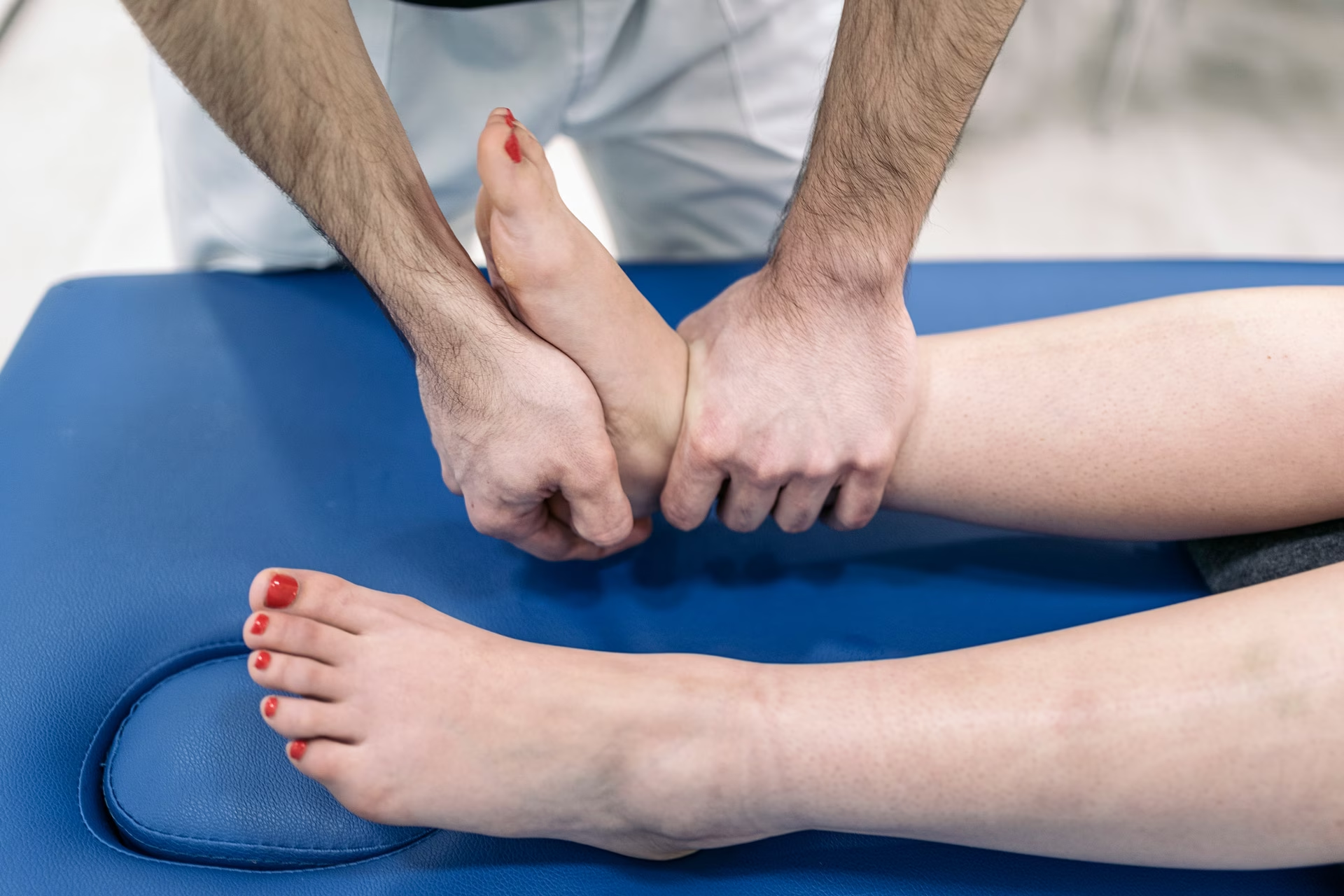

Clinically, patients may present with a range of symptoms including acute pain, swelling, bruising, and reduced weight-bearing tolerance in the early stages, followed by ongoing instability, stiffness, or proprioceptive deficits. In some cases, symptoms such as persistent pain or altered sensation may indicate involvement of additional structures beyond the lateral ligament complex, including syndesmotic ligaments, tendons, or osteochondral surfaces. It is also important to recognise that not all ankle pain originates locally; referred pain from proximal sources such as lumbar radiculopathy (e.g. sciatica) may mimic or contribute to ankle symptoms, reinforcing the importance of a thorough clinical assessment.
Prognosis following ankle injury is highly variable and dependent on injury severity, early management, and rehabilitation quality. While many individuals recover within weeks, evidence highlights that inadequate rehabilitation—particularly failure to restore strength, neuromuscular control, and proprioception—is a key factor in delayed recovery and reinjury risk. This underscores the importance of structured, progressive rehabilitation rather than passive recovery alone.
Management at Core Body Clinic is guided by current best evidence and a biopsychosocial approach to care. Our assessment process aims to identify not only the primary tissue injury but also contributing biomechanical and neuromuscular deficits. Treatment may include manual therapy to address joint stiffness and pain modulation, combined with targeted exercise rehabilitation to restore strength, balance, and functional movement patterns. Adjunct therapies such as dry needling and extracorporeal shockwave therapy may be utilised where appropriate to address myofascial contributors and support pain reduction. Importantly, patient education and load management strategies form a core component of care, ensuring individuals understand their injury, prognosis, and the steps required to achieve a safe and effective return to activity.