
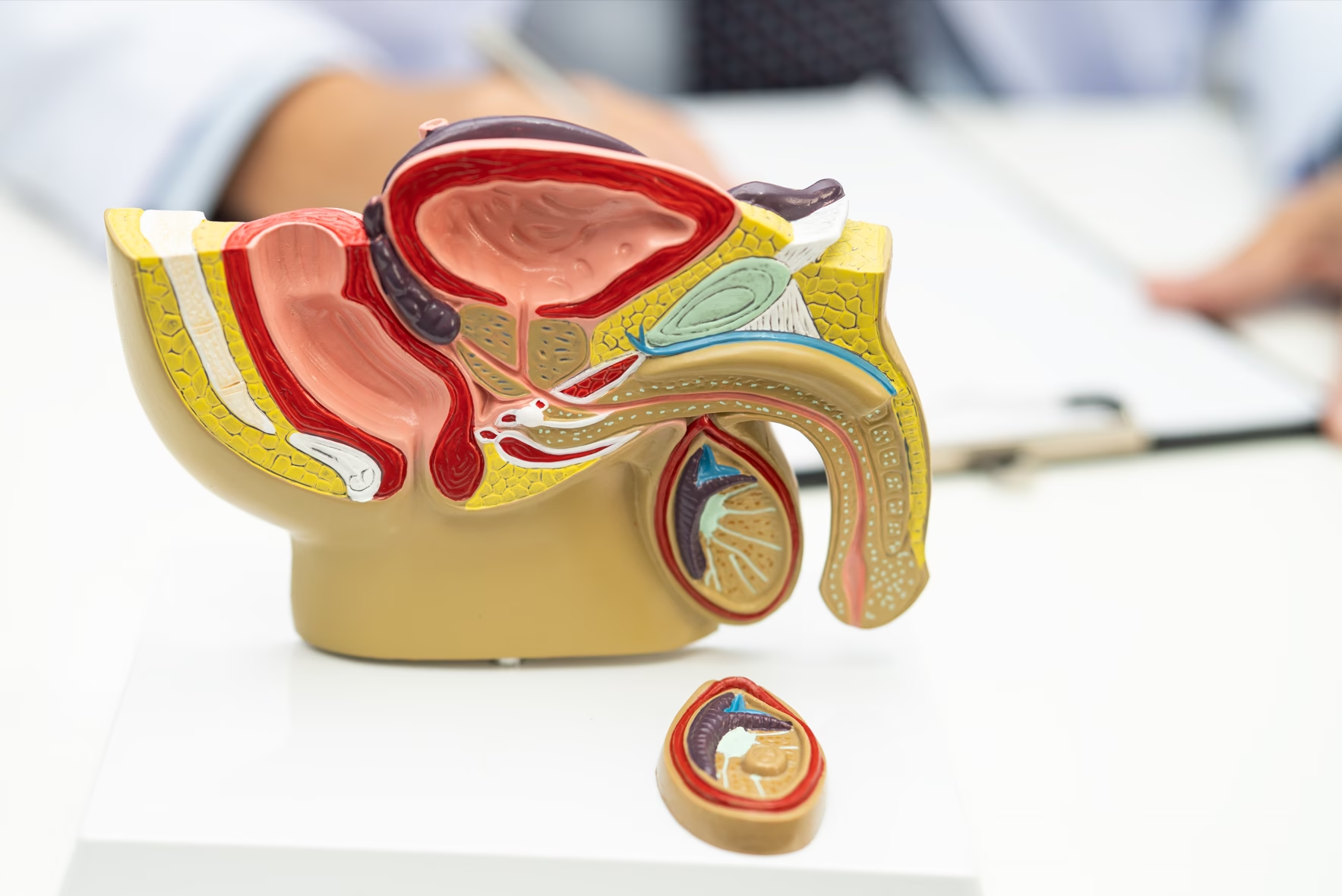

HFS presents with a cluster of symptoms including penile-specific somatosensory disturbances, a semi-rigid penis that remains in an abnormal state between flaccid and erect. This distressing condition is characterised by significant changes in penile shape, size, and consistency, creating a semi-rigid or partially flaccid appearance that gives rise to its descriptive name.
Demographics and Presentation
Evidence-Based Pathophysiology
Aetiology and Risk Factors
Evidence-Based Treatment Approaches
Multimodal Therapy Approach
Recent case studies demonstrate that treatment comprised phosphodiesterase type 5 inhibitor (PDE5-I), physical therapy, and LiSWT. Following six sessions, the patient experienced regression of bothersome symptoms and improved erections. A 2-year follow-up revealed sustained improvement, supporting the effectiveness of comprehensive treatment protocols.
Pelvic Floor Physiotherapy
Neural inhibitory agents (pregabalin, gabapentin, amitriptyline), skeletal muscle relaxing agents (diazepam), pudendal nerve blocks, and/or pelvic floor physical therapy aid in reducing pelvic/perineal drives of increased sympathetic tone. Our specialist pelvic floor physiotherapy, enhanced with real-time ultrasound guidance, directly addresses the underlying pelvic floor dysfunction that perpetuates this condition.
Advanced Treatment Modalities
Extracorporeal Shockwave Therapy (ESWT) has been explored as a potential treatment option for Hard Flaccid Syndrome (HFS), although its role in managing this condition is still being investigated. At Core Body Clinic, our low-intensity shockwave therapy protocols have shown promising results in breaking the pathological reflex patterns and improving neurovascular function.
Comprehensive Care at Core Body Clinic
Our evidence-based approach combines specialised pelvic floor physiotherapy, ultrasound-guided muscle retraining, targeted shockwave therapy, and manual therapy techniques. Treatment for HFS may include medications to relax the pelvic floor muscles, physical therapy to release tension and improve muscle function, and psychotherapy to address any underlying psychological factors, and we coordinate with appropriate medical professionals when pharmaceutical intervention is indicated.
Understanding that patients have been treated, largely unsuccessfully, with analgesics for the neuropathic pain, phosphodiesterase 5 inhibitors for the erectile dysfunction, and pelvic floor relaxation exercises for the overactive pelvic floor muscles, our specialist approach addresses the complex, interconnected nature of this syndrome rather than treating isolated symptoms.
At Core Body Clinic, we provide compassionate, evidence-based care for this challenging condition, because we understand that hard flaccid syndrome affects far more than physical symptoms – it impacts confidence, relationships, and quality of life.