
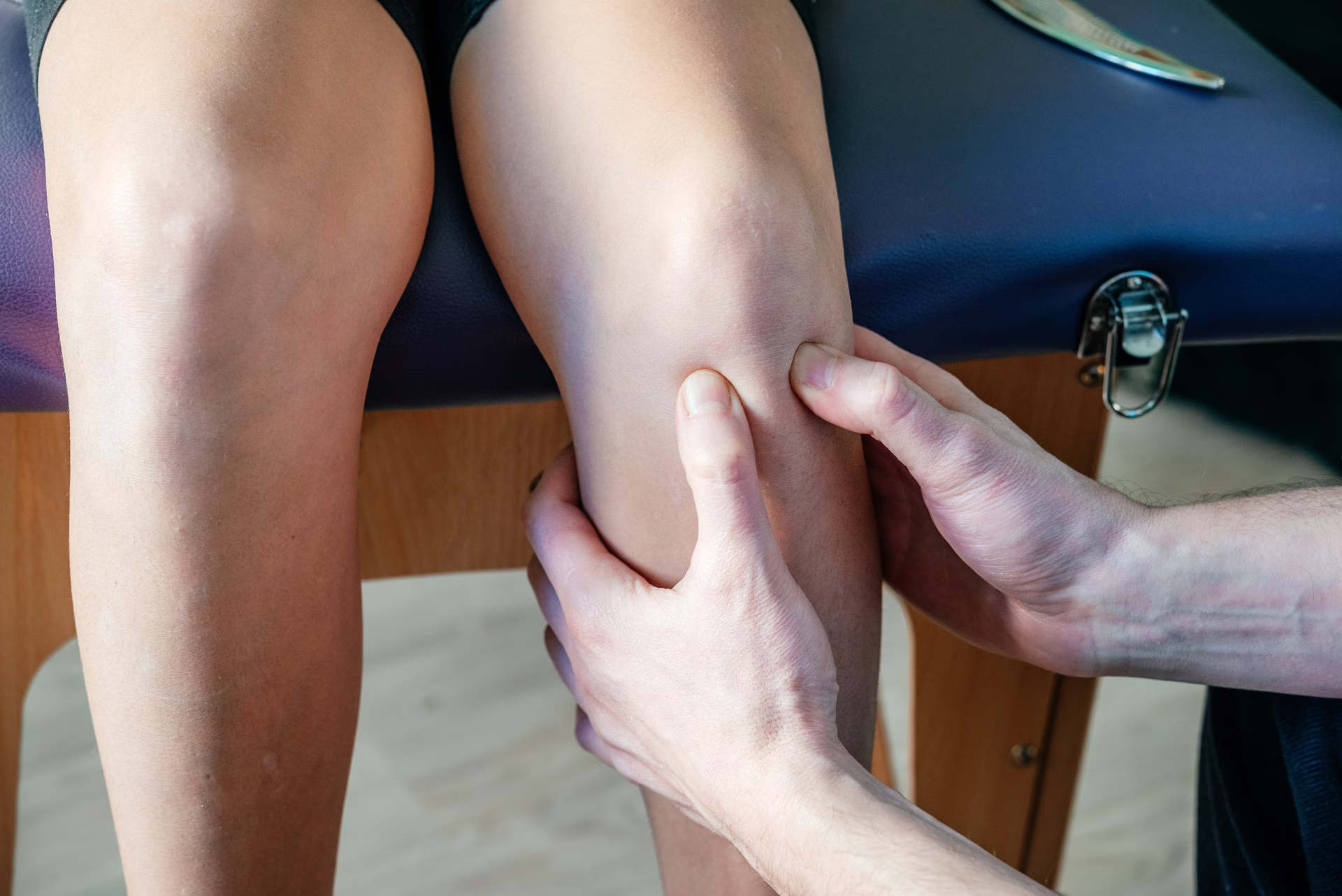

Common knee conditions include:
- Osteoarthritis (degenerative joint changes)
- Patellofemoral pain syndrome (pain around the kneecap)
- Meniscal tears (cartilage injury within the joint)
- Tendinopathies (e.g. patellar tendon pain “jumpers knee” or quadriceps tendon)
- Ligament injuries (Anterior Cruciate ligament, MCL, LCL)
- Bursitis (inflammation of fluid-filled sacs around the knee)
Patients with joint pain typically report pain with activity such as walking, along with stiffness, swelling, reduced range of motion, or instability depending on the condition.
Tendon pain is usually described during or after activity or when ascending or descending stairs. Patello-femoral pain is similar and must be differentiated from tendon pain as the symptoms can be confusing.
Assessment is guided by a detailed clinical history and physical examination, including strength, movement patterns, and functional testing. Ultrasound imaging is a valuable, evidence-based tool for identifying soft tissue pathology such as tendon disorders, effusions, bursitis, and some ligament injuries, and can be used to guide treatment, including injections where appropriate.
Strong clinical evidence supports exercise therapy as the cornerstone of treatment, particularly strengthening of the quadriceps and surrounding musculature to improve joint stability and reduce pain. Weight management is also a key factor, with research showing that even modest weight loss significantly reduces knee joint load and symptoms, especially in osteoarthritis.
Adjunct treatments may be used depending on the diagnosis and symptom severity. These include shockwave therapy for certain tendon-related conditions, and injection therapies such as corticosteroids or hyaluronic acid, which can provide short- to medium-term pain relief.
An individualised, evidence-based approach—combining rehabilitation, load management, and targeted interventions—offers the best outcomes for improving pain, function, and long-term joint health.