
A steroid injection usually eases joint or tendon pain for somewhere between a few weeks and a few months. NHS guidance on hydrocortisone injections says relief typically lasts around two months, and longer-term joint pain should be helped for a few months. How long a steroid injection lasts for you depends on the problem being treated, how accurately it is placed and what you do with the pain-free window it gives you.
This guide explains when a steroid injection starts to work, how long the effect usually lasts, how many injections you can have and what your options are when it wears off.
Key takeaways
- Most steroid injections ease pain for roughly 6 weeks to a few months; NICE tells people with osteoarthritis to expect short-term relief of 2 to 10 weeks.
- A steroid injection usually starts working within a few days, and the full anti-inflammatory effect can take up to two to three weeks.
- The relief lasts best when it is used to rebuild strength and movement with rehabilitation, rather than treated as a cure on its own.
- We give no more than three steroid injections into the same joint in any 12 months, spaced at least three months apart.
How long does a steroid injection last for joint and tendon pain?
A steroid injection for joint or tendon pain typically lasts from about six weeks to a few months. The figures from UK health bodies differ slightly because they describe different groups of patients, but they agree that the effect is temporary and varies from person to person.
| Source | What it says about how long relief lasts |
|---|---|
| NHS (hydrocortisone injections) | Around 2 months for pain and swelling; a few months for long-term joint pain, though further injections may be needed |
| Guy’s and St Thomas’ NHS Foundation Trust | Usually about 6 weeks, and longer for some people |
| NICE osteoarthritis guideline (NG226) | Short-term relief of 2 to 10 weeks for joint injections in osteoarthritis |
The NHS guidance on hydrocortisone injections notes that a short-term injury may only need one injection, because easing the pain helps you start moving again so the body can heal. For long-standing joint pain, such as osteoarthritis, the injection is more often one part of ongoing management.
A steroid injection, also called a cortisone injection, combines a corticosteroid with a local anaesthetic. The local anaesthetic has an elimination half-life of about 1.5 to 2 hours, so its numbing effect wears off within hours. The steroid works for much longer, often for weeks, and is a strong anti-inflammatory placed directly into the joint, bursa or tendon sheath that is causing your symptoms, which is why it acts in one area rather than through the whole body like tablets. Our joint and soft tissue injections use this combination for problems such as knee and hip osteoarthritis, shoulder impingement, bursitis, tennis elbow and trigger finger.
How long does a steroid injection take to work?
A steroid injection usually takes a few days to start working, and the full effect can take up to two to three weeks to develop. Some people feel better within hours, but that early relief is often the local anaesthetic rather than the steroid.
A typical timeline after a steroid injection looks like this:
- First one to two hours: the local anaesthetic numbs the area, so pain often feels much better straight away.
- First one to two days: the anaesthetic wears off within a few hours, and the area can feel sore, so we advise resting for the first 24 hours. Guy’s and St Thomas’ says 1 in 10 people feel more pain immediately after a steroid injection, usually for up to 2 days.
- Day two to a few days in: the steroid begins to calm the inflammation and pain starts to ease.
- Up to two to three weeks: the anti-inflammatory effect builds to its peak. Short-lived, acute inflammation tends to respond fastest; long-standing or degenerative problems may take longer.
- Following weeks to months: the period of relief, which is the time to build strength and movement back up.
If your pain has not improved at all after three weeks, it is worth a review with the clinician who gave the injection rather than simply waiting.
What affects how long a steroid injection lasts?
Three things have the biggest influence on how long a steroid injection lasts: the type of problem, how accurately the injection reaches the inflamed tissue and what you do in the weeks afterwards.
The condition being treated
A steroid injection works on inflammation, so it tends to do best where inflammation is driving the pain, such as bursitis, an inflamed tendon or a flare of an arthritic joint. In long-standing osteoarthritis, the injection settles the inflammation but cannot repair worn cartilage, which is why the NICE osteoarthritis guideline describes the relief as short-term and recommends injections to support exercise rather than replace it.
Accurate placement
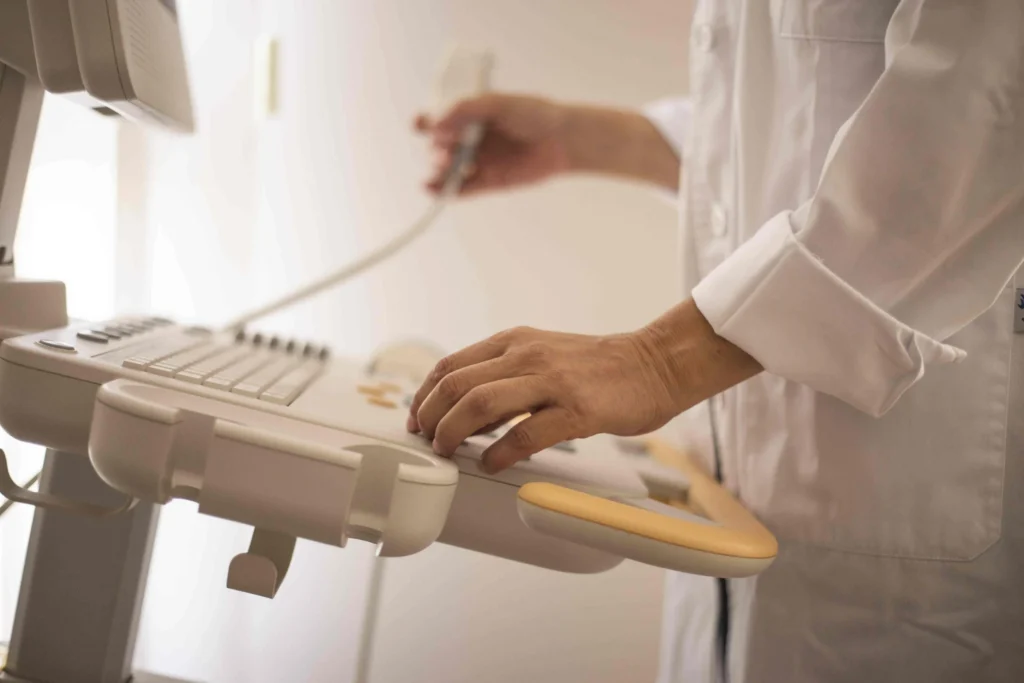
A steroid injection can only calm inflammation it reaches. Adrian Wagstaff, our advanced practice physiotherapist, gives every steroid injection under live ultrasound guidance at both our Reading and Swansea clinics, so he can see the needle and the target structure throughout. If we need a clearer picture of what is causing your pain first, a diagnostic ultrasound scan can be done alongside your assessment.
What you do afterwards
What you do after a steroid injection matters as much as the injection itself. Guy’s and St Thomas’ advises avoiding activities that make the pain worse for a few days, then avoiding heavy lifting and repetitive use of the area for 2 weeks before returning to normal activity gradually. Adrian advises resting for 24 hours after the injection, and most patients are back to normal daily activity within 24 to 48 hours.
Expert tip: pain often stops you from moving normally, which puts more strain on the tissue and keeps the problem going. The weeks of relief after a steroid injection are the best time to rebuild strength and load tolerance with guided exercise, so the pain is less likely to come back when the steroid wears off.
How many steroid injections can you have?
We give no more than three steroid injections into the same joint in any 12-month period, with at least three months between each one. This spacing protects the cartilage and soft tissue around the joint while still giving enough anti-inflammatory benefit to support your rehabilitation.
If you need more than one, your clinician keeps track of the dates as part of your treatment plan. Repeated injections that give shorter and shorter relief are a sign that a different approach may suit you better.
What happens when a steroid injection wears off?
When a steroid injection wears off, some or all of the pain may come back, especially if the underlying problem has not changed. This does not mean the injection failed. It means it is time to review what the injection achieved and what comes next.
Depending on your condition, the options after a steroid injection include:
- A repeat steroid injection, within the limits above, if the first one gave good relief.
- Hyaluronic acid injections, which we use as the next treatment when a steroid injection gave limited or no benefit, particularly in arthritic joints. Our guide to what hyaluronic injections are explains how they differ.
- Hydrodilatation is a larger-volume injection of saline with steroid placed into the joint capsule under ultrasound, used to help restore movement in frozen shoulder.
- Arthrosamid, a single injection option for knee osteoarthritis that we also offer. It can be worth discussing if your knee keeps needing steroid injections, because repeated cortisone injections are hard on an arthritic knee.
- Focused rehabilitation to build strength around the joint, which supports every option above.
If you are not sure whether an injection is right for you, or what to try after one has worn off, call us on 07736 435400 or 07748 152377, and we can talk it through.
Example: a steroid injection for knee osteoarthritis
Say you have knee osteoarthritis and a flare has left the joint swollen and painful enough that you are limping and have stopped walking any distance. After an assessment confirms the injection is suitable, the knee is injected with steroid and local anaesthetic. It feels numb for an hour or two, may ache for a day or so, then eases over the following days and weeks.
In line with NICE’s 2 to 10 week guide, you could expect the relief to be temporary. The plan is to use those weeks to strengthen the muscles around the knee so that, when the steroid wears off, the joint copes better with walking than it did before. If the pain returns quickly, the next conversation might be about a further injection after at least three months, or a different injection such as hyaluronic acid.
Frequently asked questions
Does a steroid injection hurt?
Most people describe a steroid injection as a brief sting or pressure rather than significant pain. The local anaesthetic given with the steroid numbs the area for the first hour or two. The injection site can then feel sore for a day or two, and Guy’s and St Thomas’ reports that 1 in 10 people have a short flare in pain.
Is a cortisone injection the same as a steroid injection?
Yes. Cortisone injection and steroid injection are two names for the same treatment: a corticosteroid, usually mixed with a local anaesthetic, injected into or around a painful joint or tendon. The questions of how long a cortisone injection lasts and how long it takes to work have the same answers as for a steroid injection.
Can I exercise after a steroid injection?
We advise resting for 24 hours after a steroid injection and avoiding strenuous exercise during that time. NHS Trust advice is to avoid heavy lifting and repetitive use of the injected area for about 2 weeks, then build activity back up gradually, ideally with a guided rehabilitation plan.
Do I need a GP referral for a steroid injection?
No GP referral is needed for a steroid injection with us. Adrian Wagstaff, the advanced practice physiotherapist who gives every injection at both our Reading and Swansea clinics, is qualified to prescribe the medication himself, so you do not need to see your GP first. Few private practices can offer this. Every injection follows a full clinical assessment to check it is the right option for your condition, and appointments last 45 minutes. Current costs are on our price list, and we accept most major private medical insurers.
When should I get help after a steroid injection?
Get an urgent GP appointment or call NHS 111 if the injected area becomes hot, swollen and painful more than 24 hours after the injection, or if you feel unwell for more than 24 hours afterwards. These can be signs of infection, which is rare but needs prompt treatment. People with diabetes should also check their blood sugar, as it can rise for a short time.
Getting the most from a steroid injection
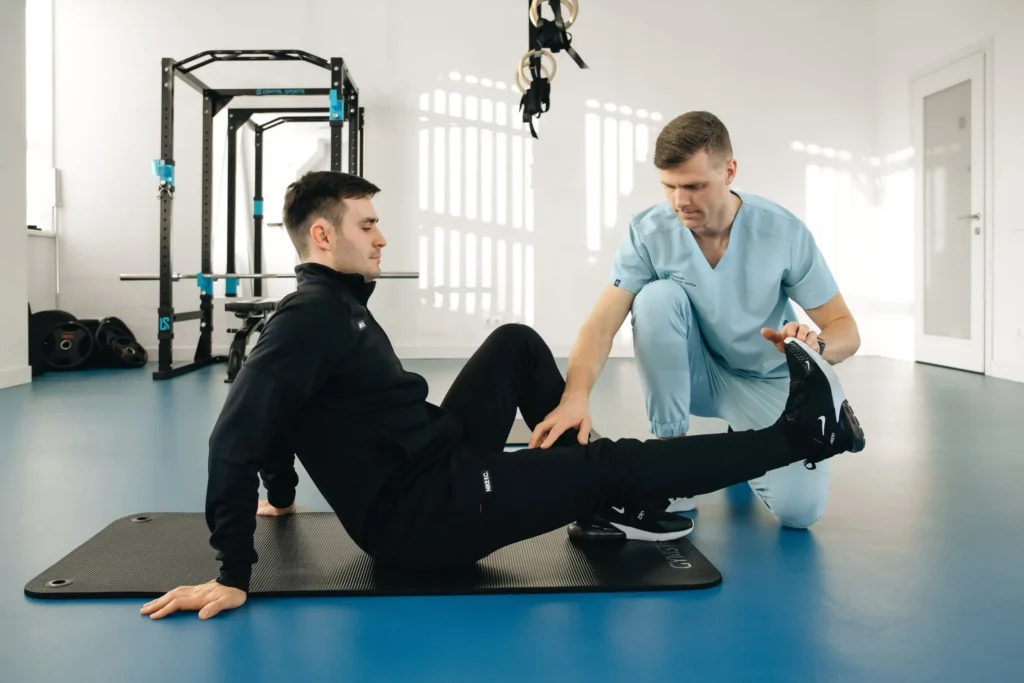
A steroid injection usually lasts from a few weeks to a few months, starts working within days and gives its best results when the relief is used to rebuild strength. The right injection, placed accurately and followed by a clear rehabilitation plan, gives you the best chance of the pain staying away.
At Core Body Clinic, every injection is given by Adrian Wagstaff, our advanced practice physiotherapist, at both our Reading and Swansea clinics. Adrian prescribes the medication himself, so no GP referral is needed, and your injection is part of the same service as your assessment and rehabilitation. To find out whether a steroid injection could help, book an assessment at either of our clinics, or read more about what happens at a steroid injection appointment. You can also call 07736 435400 or 07748 152377, or send us a message with any questions.
Medical information in this article was checked against NHS and NICE guidance in November 2026. It is general information, not a substitute for advice from a qualified clinician about your own condition.